
Overusing Or Underusing Product

The belief that “more is better” doesn’t always hold true in the world of cleaning. Using excessive amounts of a cleaning product might give the illusion of ensuring a space is spotless, but it can introduce a host of problems. Overuse can lead to waste, unnecessary costs, and often leaves residues that attract more dirt over time. Residues can also become slippery hazards on floors or cause surfaces to become sticky, drawing even more grime and requiring frequent cleaning.
Conversely, skimping on cleaning products has its own set of issues. Using too little can render a cleaning session ineffective, leaving behind germs, dirt, or stains that the product could have otherwise tackled. This doesn’t just mean the effort is wasted, but it can lead to the illusion that a surface is clean when, in reality, it might be harboring harmful bacteria or unsightly spots. Balancing the right amount of product is key to effective cleaning without the negative consequences of overuse or underuse.
Not Reading Labels

It might seem like a basic step, but taking the time to read and comprehend the instructions on cleaning products can prevent a multitude of mishaps. Without understanding a product’s intended purpose and proper usage, one might apply it to unsuitable materials or surfaces, leading to damage, discoloration, or ineffective cleaning. For instance, using a product not intended for wood on a wooden surface could strip its natural oils, leading to dryness and cracks.
Furthermore, many cleaning agents come with specific safety guidelines to protect those using them. Without adhering to these guidelines, one might expose themselves to harmful chemicals, resulting in skin irritations, respiratory issues, or other health complications. Always wearing recommended protective gear, using products in well-ventilated areas, and storing them out of children’s reach are just a few examples of crucial safety instructions that can be found on product labels.
Not Drying Surfaces Properly
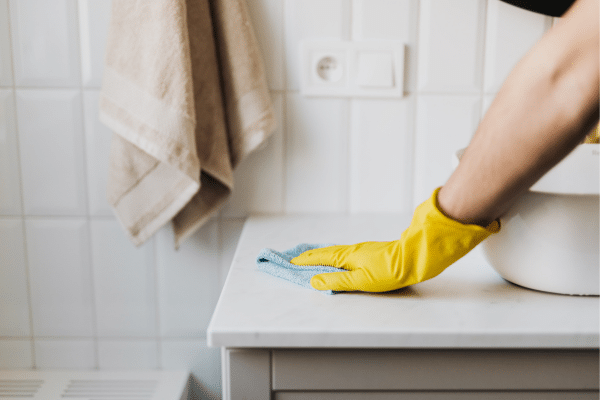
One might think that after washing or cleaning, the job is done. However, leaving surfaces damp is an invitation to a host of problems. Moisture can be a breeding ground for bacteria and mold. Especially in areas with limited ventilation, dampness can linger, encouraging these unwanted guests to thrive. This isn’t just a concern for hygiene but can also lead to unpleasant odors and long-term damage to materials.
In spaces like bathrooms or kitchens where water use is frequent, ensuring surfaces are dry is crucial. Using a squeegee on shower walls, wiping down countertops, or ensuring that no water pools in sinks or on floors can prevent mold growth and water damage. It’s also essential to dry other areas, like windows or wooden surfaces, to prevent streaks, water spots, and potential warping. Ensuring surfaces are dry post-cleaning is a simple step, but it’s crucial for both the cleanliness and longevity of a space.
The Bottom Line
Maintaining a clean environment goes beyond mere aesthetics; it’s intertwined with health, well-being, and the preservation of property. Many well-intentioned cleaning habits can be counterproductive or even damaging. Recognizing and rectifying these common mistakes can lead to a safer, healthier, and more enjoyable living or working space. Being informed, methodical, and attentive to details in cleaning routines can make all the difference in fostering a truly clean and harmonious environment.

Good article. I agree with all of it.
Good article I agree with all of it. Also after you clean the sink you can put a small amount of Baby Oil on a paper towel and that puts a wax on the sink and it does not get as dirty as fast without the baby oil.