
Contents
Root Deep or Surface Level: Getting It Right
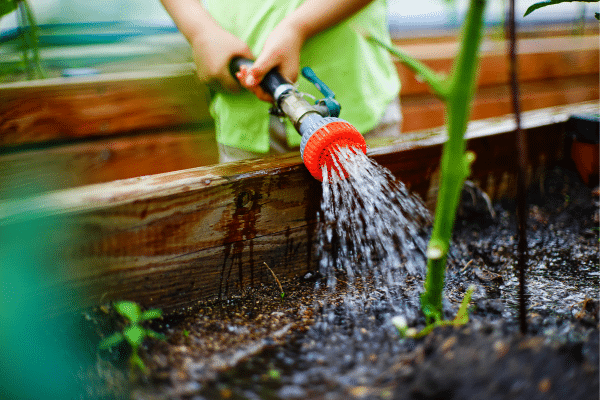
It’s a common sight: water sprinkled onto the surface of the soil, thinking it’s sufficient. However, this superficial method can lead to shallow root systems, making plants more vulnerable to environmental stressors. For plants to develop strong, deep roots, they need water to penetrate further into the soil, encouraging roots to grow downward in search of moisture.
But how does one ensure that water reaches these deeper soil layers? The method is simple: slow and steady watering. Instead of a quick pour, allow water to trickle down, ensuring it seeps beyond the surface. This approach not only benefits the plant’s immediate hydration needs but also ensures a reservoir of moisture in the deeper soil layers that the plant can draw upon in drier times.
Tools Matter: Picking the Right Watering Can Or System
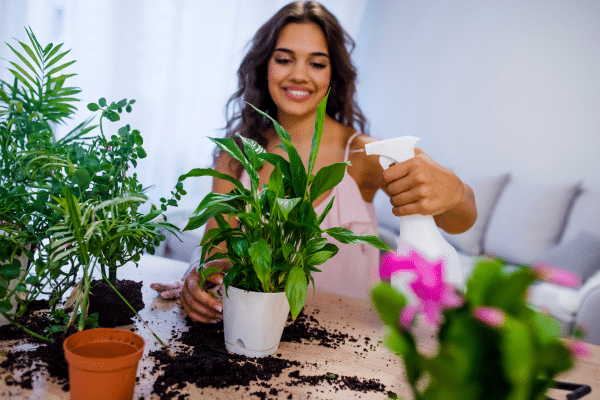
The tools chosen for watering can make a profound difference in how plants receive their hydration. Using a fine-mist spray bottle, for instance, might be great for providing humidity to tropical plants but is insufficient for hydrating the soil of larger potted plants. Similarly, a large watering can with a single spout might deliver too much water too quickly, leading to runoff and inadequate soil penetration.
For most indoor plants, a watering can with a rose attachment (a sprinkler-type spout) proves beneficial. It disperses water evenly, ensuring a gentle, rain-like shower that promotes deep soil penetration without causing erosion. For larger gardens or landscapes, investing in a drip irrigation system can provide consistent moisture directly to the roots, eliminating water waste and ensuring every plant gets its due hydration.
Soil Consistency And Its Role

The type of soil plants are potted in profoundly affects their watering needs. Soil consistency determines how quickly water drains, and how long it’s retained. Sandy soils, for instance, have larger particles and drain water faster, meaning plants in such soils might need more frequent watering. On the other hand, clayey soils have smaller particles and can retain water for longer, which can lead to risks of overwatering.
Besides the basic soil types, there are specially formulated potting mixes available that cater to specific plants. For succulents and cacti, fast-draining mixes prevent water from lingering too long. For moisture-loving plants, a mix with peat moss or vermiculite ensures prolonged moisture retention. Being aware of the soil’s characteristics and adjusting watering routines accordingly can significantly improve plant health.
Recognizing Signs Of Improper Watering

One of the best ways to gauge if plants are being watered correctly is by observing them. Plants communicate their needs, and they show signs when they’re either overwatered or underwatered. Overwatering often manifests in yellowing leaves, particularly at the base of the plant. The soil may also have a persistently damp smell, a breeding ground for mold and fungus.
On the other end, underwatered plants might exhibit dry, brown, crispy edges on their leaves. The soil will feel dry to touch even at deeper layers. Droopy leaves can be a sign of both over and under-watering, making it essential to check the soil’s moisture level before drawing conclusions. Adjusting watering practices at the first sign of these symptoms can prevent further damage and potential plant loss.
The Bottom Line
Understanding the nuances of watering goes beyond just quenching a plant’s thirst. It’s about providing an environment in which plants can thrive, grow, and showcase their full beauty. By considering factors like the quality of water, the timing, the tools, the soil, and keenly observing plants for signs of distress, anyone can master the art of watering. With patience and knowledge, the harmony between plants and their caregivers can lead to flourishing indoor jungles and gardens.