
Attic
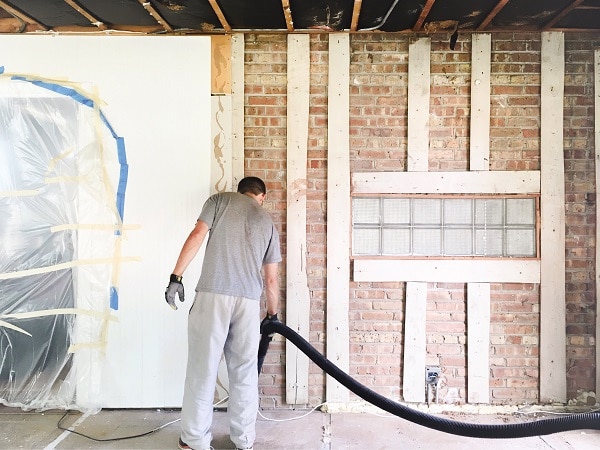
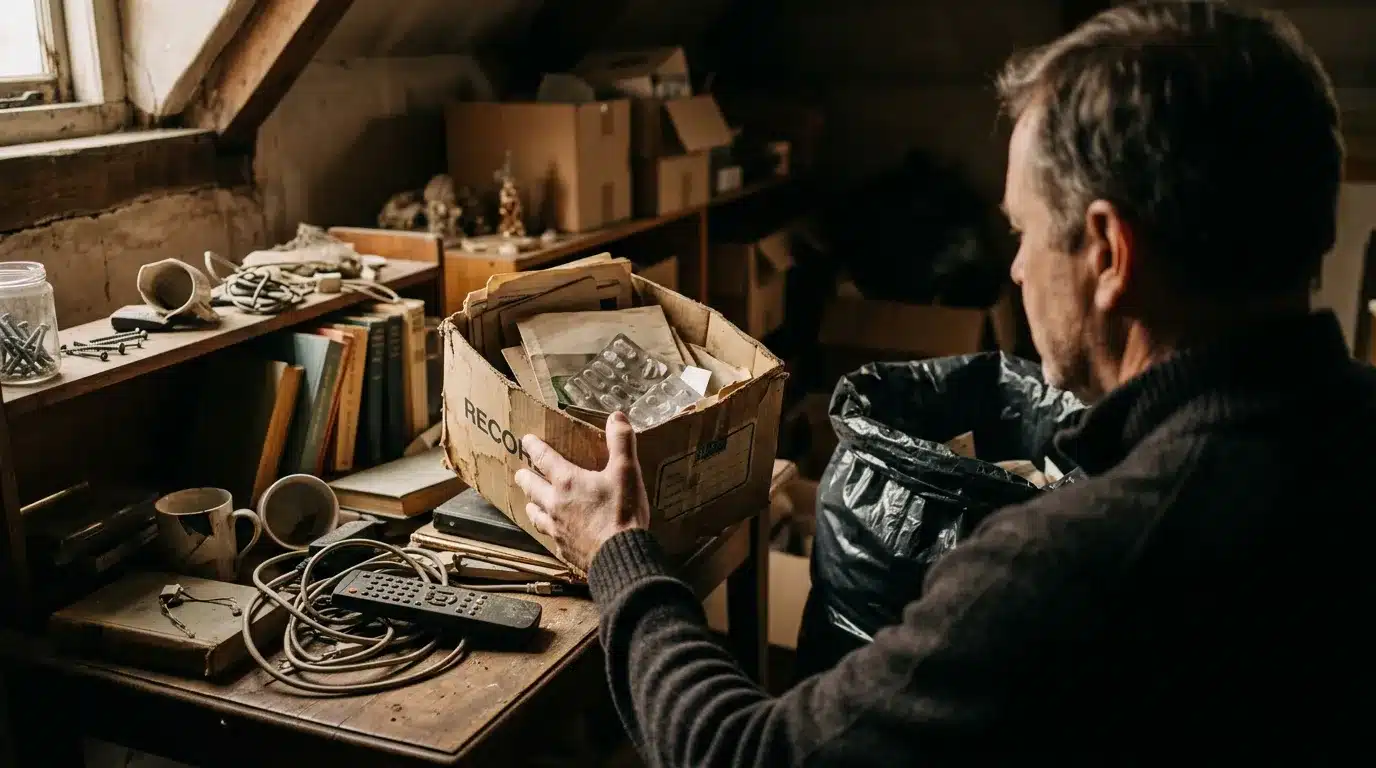
If you have an attic, check it for signs of mold. Oftentimes, attics are damp and poorly ventilated, making them the perfect place for mold to grow. Look for water damage, leaks, and stains on the ceiling or walls. Be sure to check all corners and crevices for moisture or water damage signs. If you have an insulation problem, it can create the perfect environment for mold growth.
Windowsills

Windowsills are another common place for mold to grow. This is because of the risk of constant exposure to moisture and poor air circulation. Check your windowsills for any signs of discoloration or wetness. If you find mold, be sure to clean it up immediately. You can also prevent mold growth on windowsills by keeping them clean and dry.
Pets

If you have pets, they can track mold spores into your home from the outdoors. Be sure to check your pet’s fur or feathers for any black spots or discoloration signs. If you find mold on your pet, it’s essential to have it removed right away. You should also keep an eye out for any changes in your pet’s behavior, as this can be a sign of illness caused by mold exposure.
Ducts

If you have ducts in your home, it’s important to check them for mold signs regularly. Oftentimes, the ducts can easily grow mold because they’re dark and moist. Look for any evidence of water damage or leaks. If you see any signs of mold, it’s best to call a professional to remove it. Ducts can be difficult and dangerous to access, so it’s best to leave this job to the experts.
Roof

The roof is another part of your home that can often harbor hidden mold. Check for any evidence of water damage, such as stains or peeling paint. Be sure both the inside and outside of your roof. If you have an insulation problem, it can create the perfect environment for mold growth. If you suspect you have mold on your roof, it’s best to call a professional to remove it.
Curtains
Mold can also grow on curtains, especially if you use fabric that’s not very absorbent. If you notice any mold growth on your curtains, remove them and wash them immediately. You can also prevent mold growth on curtains by keeping them clean and dry. You can also try using mold-resistant curtains in areas of the home that are susceptible to mold growth, such as the kitchen and the bathroom.
Conclusion
Mold can be found in a variety of places in your home. Be sure to check all areas that are susceptible to moisture, such as basements, bathrooms, kitchens, and attics. If you suspect you have dangerous fungus growing in your home, it’s important to have it removed as soon as possible. Mold exposure can lead to various health problems, so it’s best to err on the side of caution. If you’re unsure how to remove the mold yourself, be sure to call in a professional for help. They will be able to remove any traces of this fungus, ensuring you and your family stay healthy!