Allergens are present in every home, lurking in corners, on surfaces, and in the air, impacting residents’ health and well-being. Common indoor allergens include dust mites, pet dander, pollen, and mold spores, which can trigger allergic reactions and exacerbate respiratory conditions. By minimizing these allergens, homeowners can create a healthier living environment, reduce allergy symptoms, and improve overall air quality.
Contents
Understanding Home Allergens
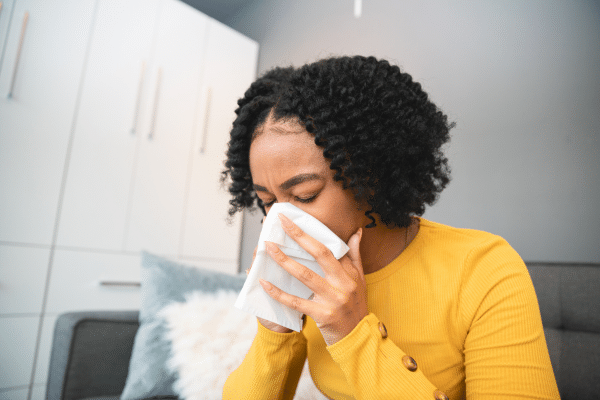
Allergens in the home come in various forms, primarily dust, pet dander, mold spores, and pollen. These particles are small but have a significant impact on indoor air quality. Dust mites thrive in warm, humid environments, feeding on dead skin cells and nesting in bedding, upholstered furniture, and carpets. Pet dander, another common household allergen, is not just fur but also tiny skin flakes that pets shed. Mold spores and pollen can enter homes through open windows, doors, and on clothing, flourishing under suitable conditions.
Each allergen affects health differently, triggering symptoms that range from sneezing and itchy eyes to more severe respiratory conditions. People with asthma may find their symptoms worsened by the presence of these allergens. Long-term exposure can lead to persistent respiratory issues, making it crucial for homeowners to understand and control the levels of allergens in their environments.
Regular Cleaning Routines
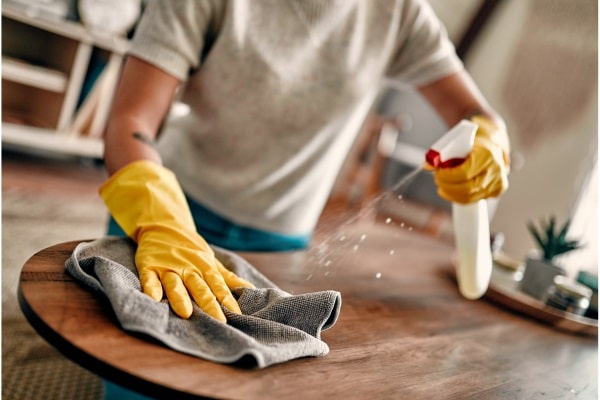
Maintaining a regular cleaning schedule is pivotal in reducing allergen levels in the home. Dust accumulates on surfaces and in textiles, serving as a primary habitat for dust mites. Regular vacuuming with a HEPA-filter-equipped vacuum cleaner can trap these particles effectively. Additionally, wiping surfaces with a damp cloth prevents dust from becoming airborne and settles deeper into the home environment.
Effective cleaning strategies go beyond surface cleaning to include washing textiles. Curtains, rugs, and slipcovers should be washed regularly to remove allergens that settle on fabric surfaces. Mopping floors with a slightly damp mop rather than sweeping prevents dust from stirring up in the air, further reducing airborne allergens. These simple but effective cleaning techniques can significantly lower the levels of allergens in any home.
Optimal Home Humidity Levels
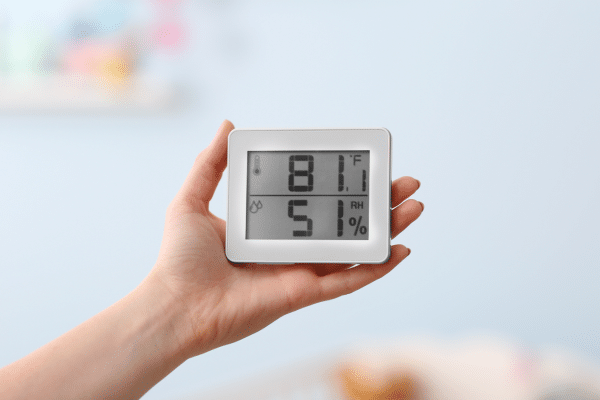
Humidity plays a critical role in the proliferation of home allergens. Dust mites thrive in high humidity, while low humidity can exacerbate dry skin and respiratory problems. Maintaining indoor humidity levels between 30% and 50% creates an environment less conducive to allergens like dust mites and mold spores.
Homeowners can manage humidity levels using dehumidifiers in damp areas or humidifiers in overly dry spaces. This balance not only discourages allergen growth but also enhances overall comfort and air quality in the home. Regular checks with a hygrometer can help maintain consistent humidity levels, ensuring a healthier living space.
Air Purification Solutions
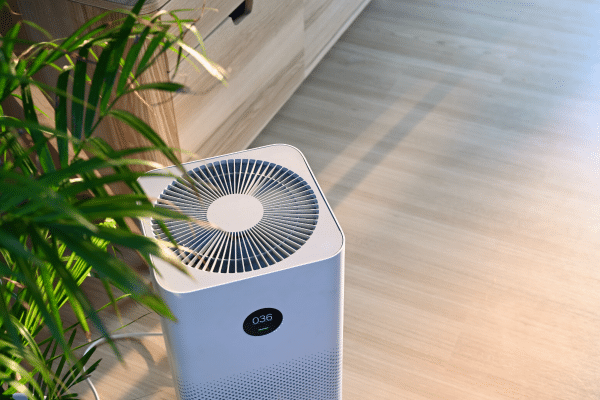
Air purifiers play a vital role in reducing airborne allergens, particularly in homes where air quality is a concern. Devices equipped with HEPA filters effectively trap allergens such as pollen, pet dander, dust mites, and mold spores, ensuring cleaner breathing. These filters capture particles as small as 0.3 microns, significantly improving indoor air quality.
When selecting an air purifier, it’s important to consider the size of the room and the specific filtration needs based on the common allergens in the home. Air purifiers with activated carbon can also help remove odors and volatile organic compounds, providing an additional layer of air purification that benefits all occupants by creating a fresher, cleaner living environment.
Pet Allergen Management

For homes with pets, managing pet dander is crucial in reducing allergens. Regular grooming and frequent bathing can help minimize the amount of dander pets shed. However, for those particularly sensitive to allergens, establishing pet-free zones, especially in bedrooms, can significantly decrease exposure to pet dander during sleep, a critical time for respiratory recovery.
In addition to restricting pets from certain areas, using air purifiers in rooms where pets frequent and investing in washable pet beds can further control dander levels. Combined with regular home cleaning, these strategies can greatly mitigate the allergen impact from pets, making living spaces more comfortable for allergy sufferers.
Allergen-Proof Bedding
Dust mites are a major source of allergens in the bedroom, thriving in mattresses, pillows, and bedding. Using allergen-proof covers can create a barrier preventing mites from penetrating the sleeping surfaces. These covers are typically made from a tightly woven fabric that allows for breathability but not for allergens to pass through.
Washing bedding weekly in hot water is also beneficial; it kills dust mites and removes accumulated allergens. Pillows and duvets should be washed regularly or replaced periodically to ensure they remain allergens-free. Such practices improve sleep quality and reduce the overall allergen load in the bedroom.
Filter Maintenance and Upgrades

If not properly maintained, the home’s HVAC system can collect and distribute allergens. Regularly changing the air filters, ideally every three months or more often in high-allergen seasons, can prevent allergens from circulating throughout the house. Upgrading to HEPA filters in the HVAC system can capture finer particles, further enhancing indoor air quality.
Homeowners should also consider cleaning their air ducts to remove any debris and allergens that have accumulated over time. This is particularly important in older homes where dust and mold might build up, ensuring that air circulating through the ducts is as clean as possible.
Landscaping and External Allergen Control
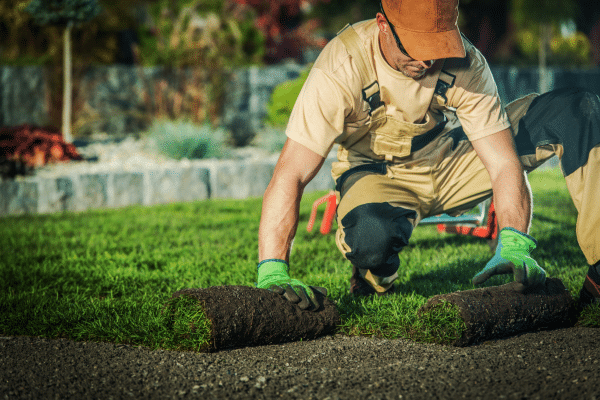
Controlling external allergens begins with thoughtful landscaping. Choosing plants that are low in pollen can significantly reduce the amount of pollen that enters the home. Regularly cleaning gutters, trimming grass, and keeping the yard tidy can minimize habitats for allergens. Additionally, creating barriers, such as sealing windows and using quality doormats, can stop allergens at the door.
Strategically placed vegetation can also act as a natural air filter, trapping allergens before they enter the home. Ensuring that windows and doors are well-sealed and that outdoor shoes are not worn inside can further reduce the introduction of outdoor allergens into the home.
Breathe Easy at Home: A Wrap-Up
Reducing allergens in the home is a proactive approach to improving indoor air quality and enhancing health. Homeowners can create a significantly healthier living environment by understanding the types of allergens and implementing regular cleaning, maintaining optimal humidity levels, and using air purifiers. Regular maintenance of HVAC systems and thoughtful pet management further support these efforts, leading to a cleaner, more allergen-free home. Encouraging continuous effort in these areas can transform any home into a sanctuary for those affected by allergies, ensuring that the air they breathe is as clean and healthy as possible.