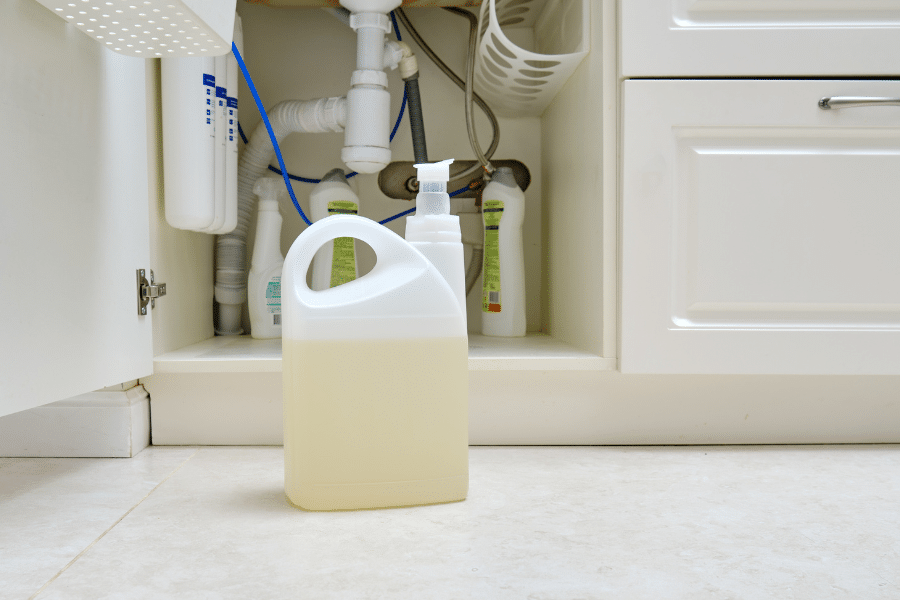
Your home is your sanctuary, a place where you seek comfort and safety. Yet, hidden within its walls, there may be unsuspected dangers quietly affecting your health. From the air you breathe to the materials in your furniture, many aspects of your home environment could be making you sick. These issues often go unnoticed until symptoms like fatigue, respiratory troubles, or allergies become too severe to ignore. The good news is that by understanding these hidden risks, you can take proactive steps to create a healthier living space for yourself and your loved ones.
Contents
- 1 Indoor Air Pollution: The Invisible Threat
- 2 Mold and Mildew: Hidden Culprits in Humid Spaces
- 3 Toxic Materials in Building and Furnishing Products
- 4 Water Contamination: What’s in Your Tap Water?
- 5 Household Pests: More Than Just a Nuisance
- 6 Poor Lighting and Its Impact on Mental Health
- 7 Noise Pollution: A Silent Stressor
- 8 A Healthier Home Starts with Simple Changes
Indoor Air Pollution: The Invisible Threat

Indoor air pollution often goes unnoticed, but it can be significantly more hazardous than outdoor air. Everyday activities like cooking, cleaning, or even lighting a candle can release pollutants into the air. Dust, pet dander, and volatile organic compounds (VOCs) from household products can build up over time, especially in poorly ventilated homes. Prolonged exposure to these pollutants can lead to respiratory problems, headaches, and even chronic illnesses like asthma.
Improving indoor air quality is simpler than many people think. Regularly changing air filters, vacuuming with a HEPA filter, and using natural cleaning products can help reduce harmful particles. Adding indoor plants that filter toxins, such as spider plants or peace lilies, can further enhance air quality. By prioritizing fresh air and minimizing chemical exposure, you can transform your home into a healthier environment.
Mold and Mildew: Hidden Culprits in Humid Spaces

Mold and mildew thrive in damp, poorly ventilated areas, often developing out of sight. Bathrooms, basements, and kitchens are common problem zones, where moisture from leaks or poor ventilation creates an ideal breeding ground. Exposure to mold can cause a range of health problems, from mild symptoms like sneezing and watery eyes to more severe effects such as fatigue and difficulty breathing. Left untreated, mold can even exacerbate chronic respiratory conditions.
Preventing mold starts with controlling moisture levels in your home. Repairing leaks promptly and using dehumidifiers in damp areas are key steps to reducing mold growth. Regular cleaning with anti-mold solutions and ensuring adequate airflow through vents and windows can help keep mold at bay. By taking these measures, you can protect your family from the health risks associated with mold and mildew.
Toxic Materials in Building and Furnishing Products
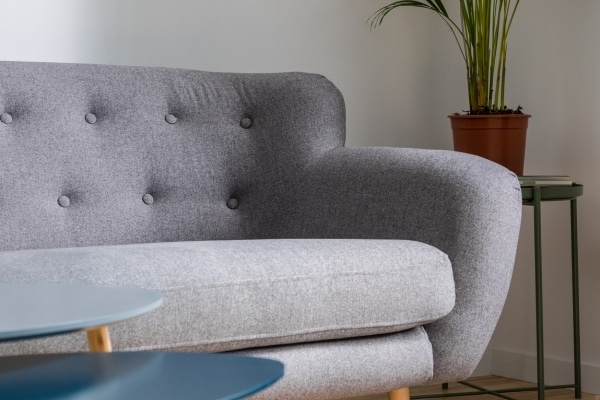
Many people are unaware that everyday items like furniture and carpets can emit harmful chemicals. Materials like pressed wood and synthetic fabrics often release formaldehyde and VOCs into the air, which can linger in your home for years. Prolonged exposure to these toxins can irritate the skin, eyes, and throat, while some chemicals pose long-term risks, including cancer. These hidden dangers often go unnoticed, but they can have a significant impact on your overall health.
Choosing safer alternatives can drastically reduce your exposure to these toxins. Opt for furniture made from solid wood, natural fibers, or low-VOC finishes when possible. Proper ventilation, especially during renovations, helps disperse harmful fumes before they accumulate. With thoughtful choices, you can create a home that is both stylish and health-conscious.
Water Contamination: What’s in Your Tap Water?
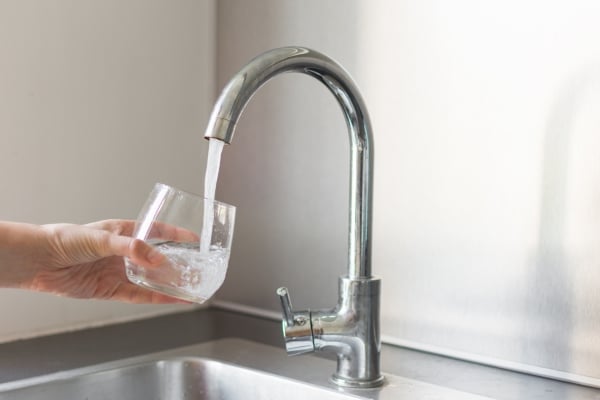
Water contamination is a less visible but equally harmful issue that can occur in your home. Aging pipes, poorly maintained plumbing, or regional water quality problems can introduce contaminants like lead, pesticides, or bacteria into your tap water. Consuming or bathing in contaminated water can lead to gastrointestinal issues, skin irritations, and even long-term health conditions. Despite this, many homeowners remain unaware of the potential risks lurking in their water supply.
Testing your water quality is the first step in addressing contamination. Affordable home testing kits can identify common pollutants, while professional services offer more detailed analysis. Installing a water filtration system, such as a reverse osmosis unit, can effectively remove harmful substances from your drinking water. Regular maintenance of plumbing systems ensures safe water for everyday use and peace of mind for your household.
Household Pests: More Than Just a Nuisance

Household pests are not only unpleasant but can also pose serious health risks to you and your family. Rodents, cockroaches, and dust mites are common invaders that carry allergens and pathogens into your living space. Cockroach droppings, for instance, can trigger asthma attacks, while rodents can spread diseases like hantavirus and salmonella. These pests often thrive in hidden areas, making them hard to detect until their presence becomes a major problem.
Prevention is the best defense against household pests. Regularly sealing cracks and crevices, storing food in airtight containers, and keeping your home clean can reduce the risk of infestations. For ongoing problems, natural pest control methods, such as traps or diatomaceous earth, are safer alternatives to harsh chemical sprays. If the issue persists, professional pest control services can effectively eliminate infestations and restore a safer living environment.
Poor Lighting and Its Impact on Mental Health
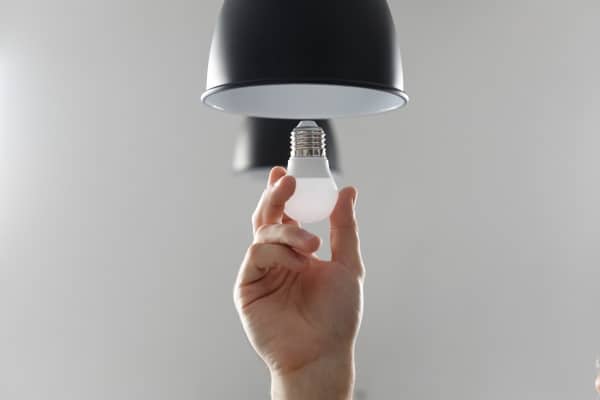
Lighting plays a crucial role in your overall well-being, yet it’s often overlooked as a potential health concern. Insufficient natural light or harsh artificial lighting can disrupt your circadian rhythm, negatively affecting your mood, energy levels, and sleep quality. Poor lighting has also been linked to seasonal affective disorder (SAD), a type of depression that worsens in low-light environments. Over time, these lighting deficiencies can take a toll on both mental and physical health.
Improving lighting in your home is a simple yet effective way to boost well-being. Maximize natural light by keeping windows unobstructed and using light-colored curtains to brighten rooms. For artificial lighting, opt for full-spectrum bulbs that mimic daylight, which can improve focus and mood. Additionally, using softer, warmer lighting in bedrooms and limiting screen time before bed can promote better sleep patterns and overall mental health.
Noise Pollution: A Silent Stressor

Noise pollution may not leave visible traces, but its effects on your health can be profound. Constant exposure to sounds from traffic, appliances, or noisy neighbors can increase stress levels, disrupt sleep, and even lead to long-term cardiovascular issues. Noise may seem trivial, but studies have shown that chronic exposure to unwanted sounds contributes to both physical and mental fatigue. Without intervention, these disruptions can significantly impact your quality of life.
Reducing noise pollution in your home requires thoughtful adjustments. Soundproofing walls, using heavy curtains, or adding rugs can help absorb disruptive sounds. White noise machines or calming background music can also mask intrusive noises, creating a more peaceful atmosphere. Taking these steps can improve not only your sleep but also your overall mental clarity and resilience to daily stressors.
A Healthier Home Starts with Simple Changes
Your home should be a place of rest and rejuvenation, not a source of hidden health risks. By addressing issues like air pollution, pests, and poor lighting, you can create a healthier environment for yourself and your loved ones. Small changes, such as improving ventilation, sealing gaps, and using natural products, can make a significant difference. The power to protect your health lies in recognizing these hidden dangers and taking proactive steps. A healthier home means a happier and more vibrant life.