Most homeowners don’t think twice about what goes down their drains, but the truth is that everyday habits can silently wreak havoc on your plumbing system. Items that seem harmless may lead to clogs, corrosion, or even complete pipe failures over time. What’s worse, these issues don’t just cause inconvenience; they often result in costly repairs that could have been avoided with simple precautions. This article explores one common household item that’s likely contributing to plumbing problems, how it affects your home, and what you can do to prevent damage. By the end, you’ll be equipped to safeguard your plumbing and avoid unnecessary headaches.
Contents
- 1 What Makes Plumbing Vulnerable to Damage?
- 2 The Everyday Item You Might Be Flushing Without Thinking
- 3 How This Item Affects Your Pipes
- 4 Wider Environmental Consequences
- 5 Recognizing Warning Signs of Plumbing Damage
- 6 Preventative Measures to Protect Your Plumbing
- 7 What to Do If Damage Has Already Occurred
- 8 Protect Your Pipes for the Long Haul
What Makes Plumbing Vulnerable to Damage?
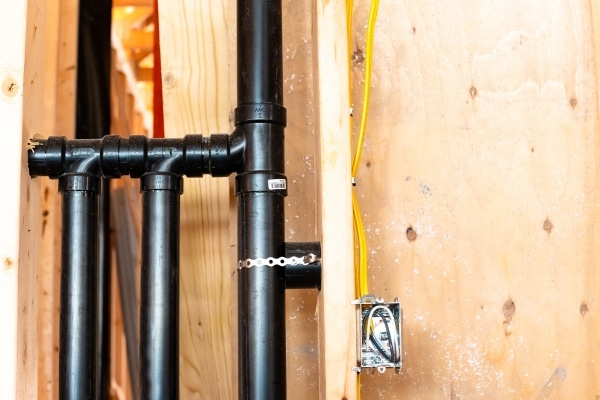
Plumbing systems are built to withstand regular use, but they’re surprisingly vulnerable to improper care. Pipes are designed to handle water, biodegradable materials, and specific waste types, yet they often encounter substances they were never meant to process. Over time, these materials can create blockages, wear down pipes, and interfere with water flow. The damage isn’t always obvious at first, making it easy for small problems to escalate into major repairs.
The delicate balance of modern plumbing is often misunderstood, leading to habits that put unnecessary strain on your system. For example, pouring grease down the drain or flushing items labeled as “flushable” can lead to long-term issues. These actions may seem harmless, but they introduce substances that don’t break down properly. Understanding the limitations of your plumbing is essential to avoiding costly damage and maintaining a functional system.
The Everyday Item You Might Be Flushing Without Thinking

One of the most common culprits of plumbing issues is so-called “flushable” wipes. Despite being marketed as safe for plumbing systems, these wipes often fail to dissolve like toilet paper. Instead, they accumulate in pipes, creating stubborn blockages that worsen over time. This buildup not only affects your home but also contributes to large-scale sewer problems in your community.
Flushable wipes are often made of synthetic materials that resist breaking down in water. When flushed, they can combine with other substances, such as grease, to form massive clogs called fatbergs. These clogs can restrict water flow and cause backups, leading to expensive repairs. Recognizing the danger of these everyday items is the first step toward protecting your plumbing system.
How This Item Affects Your Pipes

Flushable wipes can wreak havoc on your plumbing by adhering to pipe walls and creating obstructions. Unlike toilet paper, which disintegrates quickly, these wipes remain intact, allowing debris to accumulate around them. Over time, the resulting blockages put pressure on your pipes, increasing the risk of leaks or bursts. The damage may start small but can escalate quickly, leading to significant plumbing failures.
Additionally, the materials in these wipes can react with chemicals commonly found in household cleaners. This reaction can produce residues that harden over time, further narrowing pipe openings. As water struggles to pass through, your plumbing system works harder, causing wear and tear. Understanding how these wipes interact with your pipes emphasizes the importance of keeping them out of your plumbing system.
Wider Environmental Consequences
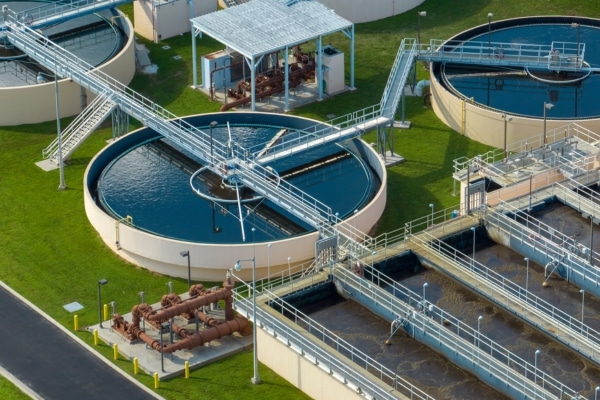
The impact of flushing harmful items extends beyond your home’s plumbing system. Once these materials leave your pipes, they enter wastewater treatment facilities, where they pose significant challenges. Non-biodegradable materials can clog machinery, slow down processing, and increase maintenance costs. These issues ultimately lead to higher utility bills and additional strain on local infrastructure.
Beyond treatment facilities, improperly disposed items contribute to environmental pollution. Wipes and other materials often escape filtration systems and end up in rivers, lakes, and oceans. Here, they break into microplastics that harm aquatic life and disrupt ecosystems. By avoiding these items, you’re not only protecting your plumbing but also helping to reduce your environmental footprint.
Recognizing Warning Signs of Plumbing Damage
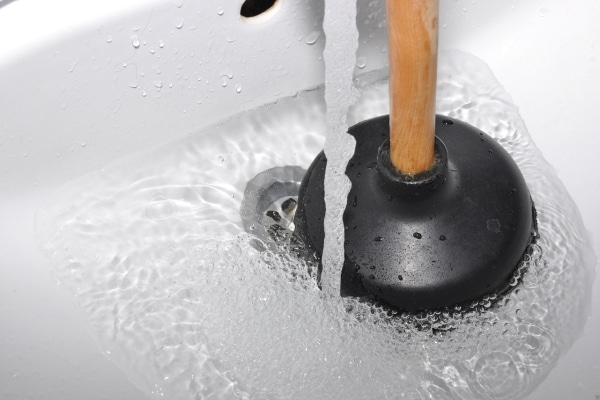
One of the first steps in protecting your plumbing is identifying early signs of damage caused by improper disposal habits. Slow-draining sinks or tubs often indicate partial blockages forming within your pipes. Similarly, unpleasant odors coming from drains can suggest the accumulation of non-biodegradable materials like wipes. If left untreated, these minor inconveniences can escalate into major plumbing disasters, such as complete blockages or even pipe bursts.
Other warning signs include unusual noises, such as gurgling, when water drains. These sounds may signal trapped air caused by a buildup in your pipes. Frequent clogs in multiple areas of your home also point to deeper issues within your plumbing system. Paying attention to these signs and addressing them promptly can save you from costly repairs and prolonged inconvenience.
Preventative Measures to Protect Your Plumbing
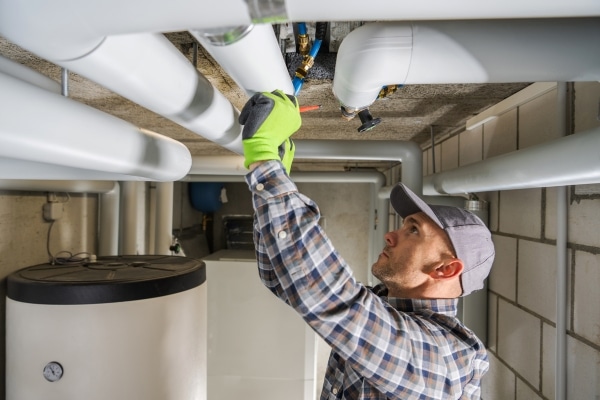
To prevent plumbing damage, it’s essential to develop habits that minimize risk. The most effective measure is to avoid flushing non-biodegradable items, including flushable wipes, paper towels, and feminine hygiene products. Instead, dispose of these items in the trash to keep them out of your pipes. Additionally, placing drain covers in sinks and showers can help catch hair and debris, preventing blockages before they start.
Regular maintenance is equally crucial in protecting your plumbing. Scheduling professional inspections or cleanings can identify small problems before they become costly repairs. You can also use enzyme-based drain cleaners to safely break down organic buildup without damaging your pipes. These proactive steps not only extend the lifespan of your plumbing system but also contribute to a smoother, more efficient home.
What to Do If Damage Has Already Occurred
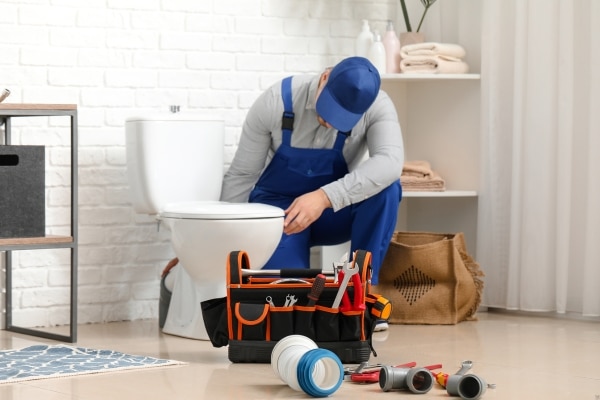
If you suspect plumbing damage, taking immediate action is critical to minimizing further harm. Start by avoiding the use of harsh chemical drain cleaners, which can corrode pipes and exacerbate the issue. Instead, use natural solutions like baking soda and vinegar to dislodge minor clogs. For more serious problems, consult a licensed plumber to assess and address the situation professionally.
It’s also important to prevent future damage while repairs are underway. Consider installing a plumbing-grade filter to catch foreign objects before they enter your system. Additionally, review your household disposal habits to ensure everyone is aware of proper waste management practices. By addressing current issues and preventing future ones, you can restore your plumbing and safeguard it for years to come.
Protect Your Pipes for the Long Haul
Protecting your plumbing starts with small, conscious changes that make a big difference. By avoiding harmful disposal habits and addressing issues early, you can save yourself from costly repairs and unnecessary stress. These adjustments not only keep your home running smoothly but also contribute to a healthier environment. Every step you take to safeguard your plumbing is a step toward a more efficient, sustainable household. It’s never too late to start making better choices for your pipes and your peace of mind.