Sounds And Smells: The Overlooked Warning Signs

Often, the senses of hearing and smell can provide valuable clues about the state of your roof. Creaking or popping sounds coming from the roof area shouldn’t be dismissed as mere house noises; they could indicate structural instability. Musty or damp odors, especially in the attic or upper floors, can also be warning signs of moisture problems that may be originating from a damaged roof.
Ignoring these sensory signs can lead to more severe issues down the line. For instance, a musty smell could indicate mold growth, which poses health risks. Similarly, ignoring creaking sounds could result in overlooking structural issues that may require costly repairs. Therefore, it’s essential to pay attention to these often-overlooked indicators and consult a professional for an in-depth evaluation.
The Dangers Of DIY Roof Inspection
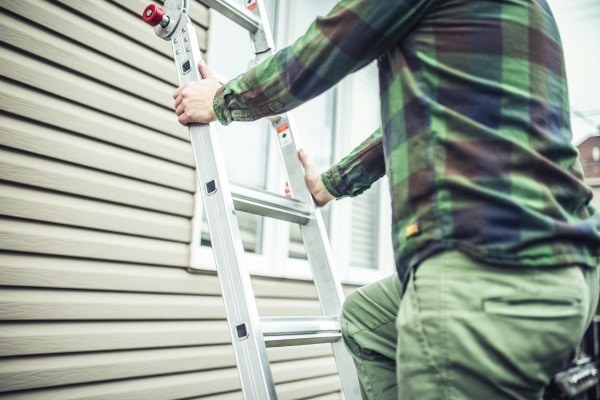
While the idea of inspecting your roof yourself may seem cost-effective, it comes with its own set of risks and limitations. Climbing onto a potentially damaged roof can be dangerous, and without the proper safety equipment or expertise, you risk injuring yourself. Additionally, an untrained eye may miss subtle signs of damage that a professional would easily spot.
Moreover, DIY inspections can offer a false sense of security. You might overlook critical issues, thinking everything appears fine, only to face severe problems later. For a thorough and accurate assessment of your roof’s condition, it’s advisable to seek professional help. Experts have the necessary tools and experience to identify and address issues effectively.
When To Call A Professional

Knowing when to seek professional help can save you from a lot of trouble and financial strain. If you notice any of the warning signs discussed earlier, it’s time to call in the experts. Even if you don’t see any immediate issues, regular professional inspections can help catch problems before they escalate.
Scheduled inspections are particularly beneficial before and after extreme weather conditions, as these are times when your roof is most vulnerable. A professional can provide a detailed report and recommend necessary repairs or replacements, helping you make informed decisions about maintaining your roof’s health.
Preventative Measures To Avoid Roof Damage
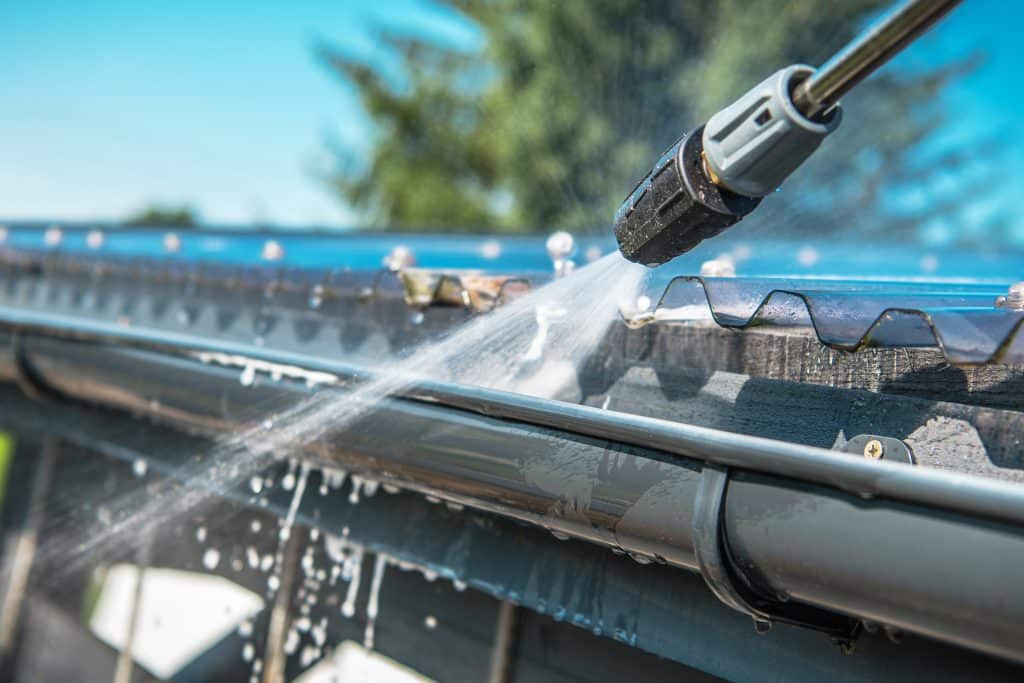
An ounce of prevention is worth a pound of cure. Regular cleaning and maintenance can go a long way in extending the lifespan of your roof. Removing debris, clearing gutters, and checking for loose or damaged shingles are simple steps that can make a significant difference.
Quality materials also play a crucial role in the longevity of your roof. Opting for weather-resistant shingles or coatings can offer added protection against environmental elements. Seasonal checks, especially before harsh weather conditions, can help you identify and address minor issues before they turn into major problems.
Ensure Your Roof Is In The Best Condition Possible!
Equipped with insights on spotting roof damage, you’re now better prepared to protect your home from the top down. The roof isn’t just another structure; it’s a shield that keeps you safe from the elements. Procrastination can be costly, so don’t let minor issues snowball into major headaches. Act now by arranging for a professional inspection and embracing preventative maintenance. Your future self will undoubtedly appreciate the foresight.