
Houseplants have become a popular way to bring nature indoors, adding beauty and a sense of tranquility to living spaces. However, the joy of owning houseplants can quickly turn to frustration if they start to decline or die. Many plant enthusiasts unknowingly make common mistakes that can lead to the deterioration of their beloved greenery. This guide aims to shed light on these common errors and provide practical solutions to help you keep your houseplants thriving. Understanding these pitfalls and how to avoid them is key to maintaining a lush, healthy indoor garden.
Overwatering

Overwatering is one of the most common mistakes made by plant owners, and it can be fatal for houseplants. When plants receive too much water, their roots can become waterlogged, leading to root rot and fungal infections. Symptoms of overwatering include yellowing leaves and mushy, discolored roots. It’s essential to recognize these signs early to prevent irreversible damage.
To avoid overwatering, establish a proper watering schedule tailored to the specific needs of your plants. Use well-draining soil and pots with drainage holes to ensure excess water can escape. Additionally, consider the size of the pot; a pot that’s too large can retain more water than necessary, exacerbating the problem. Monitoring soil moisture and adjusting your watering habits accordingly can make a significant difference in plant health.
Underwatering

Underwatering, the opposite of overwatering, also poses a serious threat to houseplants. When plants don’t receive enough water, they struggle to perform essential functions like nutrient uptake and photosynthesis. Signs of underwatering include wilting, browning leaves, and stunted growth, which can be mistaken for other issues.
To prevent underwatering, develop a consistent watering routine based on the needs of each plant. Tools like moisture meters can help determine when it’s time to water, ensuring that plants receive adequate hydration. Grouping plants with similar watering needs together can also simplify care and reduce the risk of neglect. Proper hydration is crucial for maintaining vibrant, healthy plants.
Inadequate Light
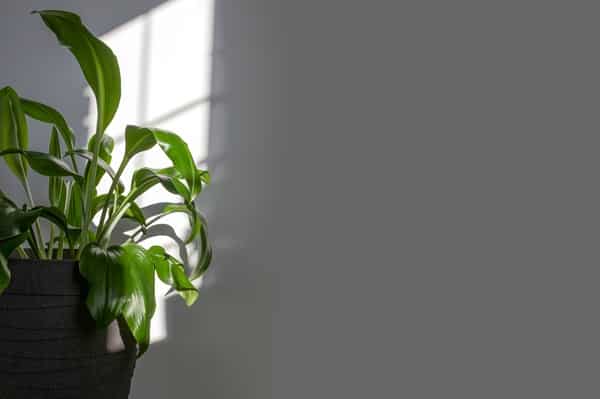
Light is a vital component of plant health, as it drives photosynthesis, the process by which plants convert light into energy. One common mistake is placing plants in areas with insufficient light, which can hinder their growth and lead to weak, leggy stems. Additionally, using improper types of artificial light can fail to meet the plants’ needs.
To ensure your plants receive adequate light, match them to appropriate light conditions. For instance, low-light plants should be placed in shaded areas, while sun-loving plants need bright, indirect light. If natural light is limited, consider using grow lights designed to provide the spectrum of light that plants require. Rotating plants regularly can also help them receive even light exposure, promoting balanced growth. Understanding and meeting your plants’ light needs is essential for their overall health and vigor.
Incorrect Potting
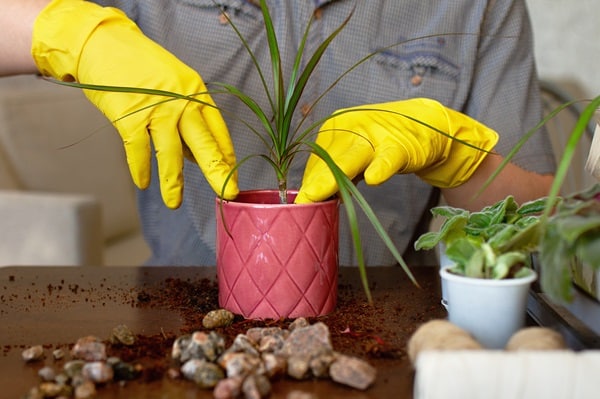
Choosing the right pot size and material is crucial for the health of houseplants. A pot that is too small can restrict root growth, while a pot that is too large can retain excessive moisture, leading to root rot. Additionally, the material of the pot affects how much moisture is retained; for instance, terracotta pots dry out faster than plastic ones. It’s important to consider these factors when selecting pots to ensure they meet the needs of your plants.
Common potting mistakes include using containers without drainage holes and failing to repot plants when they outgrow their current pots. Drainage holes are essential for allowing excess water to escape, preventing waterlogged soil. Not repotting plants can lead to root-bound conditions where roots circle around the pot, restricting their ability to absorb nutrients. To avoid these issues, choose pots with adequate drainage and repot your plants when you notice they are outgrowing their containers. This promotes healthy root development and overall plant vitality.