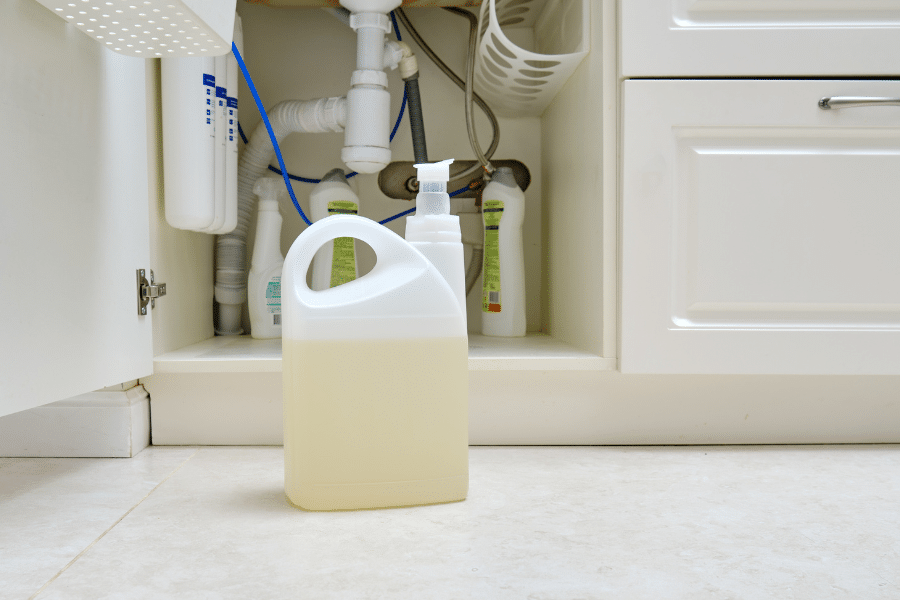
Your home should be a sanctuary, a place of comfort and safety. However, there are hidden dangers lurking in even the most well-maintained households, posing risks to your health and well-being. These dangers aren’t always obvious – they can be found in the air you breathe, the products you use, or even the wiring behind your walls. Many of these hazards go unnoticed for years, only revealing themselves when health issues or accidents occur. This post will uncover some of the most surprising risks hiding in your home and provide practical tips to keep you and your family safe.
Contents
Poor Indoor Air Quality

One of the most overlooked hazards in many homes is poor indoor air quality. While the air outside may seem more polluted, indoor air can actually be worse due to the accumulation of dust, mold spores, pet dander, and even chemicals from everyday cleaning products. These pollutants can trigger allergies, worsen asthma, and lead to chronic respiratory problems, especially for children and the elderly. Many people are unaware that their seemingly clean homes may be filled with harmful airborne particles.
Improving indoor air quality doesn’t have to be complicated. Regularly cleaning air filters, vacuuming with HEPA filters, and ensuring proper ventilation can significantly reduce harmful particles in the air. Investing in air purifiers or using houseplants known for filtering toxins can also help clean the air. Avoiding chemical-laden cleaning products and opting for natural alternatives can reduce the release of volatile organic compounds (VOCs), ensuring your home remains a healthier environment.
Hidden Mold and Mildew

Mold and mildew can often grow in unseen places, making them a hidden threat in many homes. Bathrooms, basements, and window sills are particularly prone to mold growth due to moisture buildup, which can occur from leaks, poor ventilation, or simply high humidity. The problem with mold is that, beyond its unsightly appearance, it can trigger allergic reactions, exacerbate asthma, and even lead to long-term respiratory conditions if left unchecked.
To prevent mold from taking hold in your home, it’s important to manage moisture levels effectively. This can be done by using dehumidifiers, ensuring proper ventilation, and promptly fixing any leaks. Regularly inspecting areas prone to dampness, such as under sinks or in basements, can help catch mold before it becomes a bigger problem. If mold is already present, it’s best to hire professionals for removal to ensure the safety of your family.
Dangerous Electrical Outlets and Wiring

Faulty or outdated electrical outlets and wiring can be a silent danger in your home. Worn-out wiring or improperly installed outlets can lead to electrical shocks, fires, and other safety hazards. Warning signs include flickering lights, warm outlets, or circuit breakers that trip frequently, all of which signal that something might be wrong behind the walls. These issues are particularly concerning in older homes, where electrical systems may not meet modern safety standards.
Regular inspections by licensed electricians can help prevent these dangerous situations. Ensuring that your home’s wiring is up to code, installing GFCI outlets in moisture-prone areas, and using surge protectors for electronic devices can reduce the risk of electrical fires. Simple precautions, such as not overloading power strips and ensuring that children cannot tamper with outlets, can make a significant difference in maintaining household safety.
Toxic Chemicals in Everyday Products
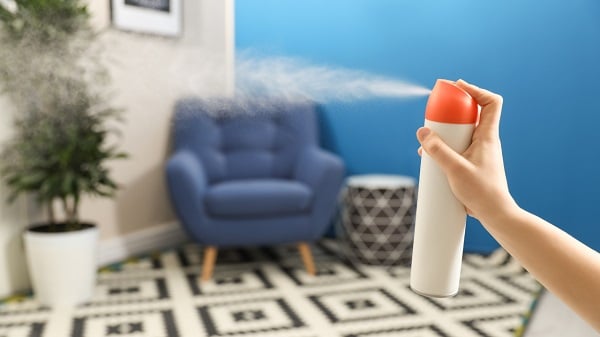
Many everyday household products contain harmful chemicals that can pose serious health risks over time. Cleaning supplies, air fresheners, and even personal care products often contain volatile organic compounds (VOCs), formaldehyde, and phthalates, which can be absorbed through the skin or inhaled. Long-term exposure to these chemicals has been linked to hormonal imbalances, respiratory issues, and even cancer. Unfortunately, most people are unaware that these toxic substances are lurking in common items they use daily.
To reduce exposure to these hidden toxins, opt for eco-friendly or non-toxic cleaning products and personal care items. Natural alternatives, such as baking soda, vinegar, or essential oils, can be used to clean your home without releasing harmful chemicals into the air. Additionally, it’s important to check labels for dangerous ingredients and avoid products that contain synthetic fragrances, parabens, or phthalates. Making small changes in the products you use can significantly improve the health and safety of your home.
Unsafe Furniture and Fixtures

Furniture and home fixtures can pose unexpected dangers, especially for families with young children. One of the most common hazards is furniture tip-overs, which occur when heavy items like bookshelves or dressers fall over due to instability. Every year, thousands of injuries are reported from furniture that isn’t properly secured to the wall, and these incidents can be deadly for small children. Additionally, ceiling fans, light fixtures, and other installations can become dangerous if they’re not properly maintained or installed correctly.
To minimize these risks, it’s essential to anchor heavy furniture to the wall using brackets or straps. Regularly check the stability of shelves, mirrors, and other items that may loosen over time. If you have young children, use childproofing measures, such as corner protectors and anti-tip devices, to create a safer environment. Proper maintenance of home fixtures, including ceiling fans and heavy lights, is also crucial to avoid accidents.
Fire Hazards

Many fire hazards in the home are hidden in plain sight, often overlooked until it’s too late. Common culprits include clogged dryer vents, overloaded power strips, and unattended stoves or candles. Dryer lint is highly flammable, and if not cleaned regularly, it can accumulate in vents, posing a serious fire risk. Overloading electrical outlets or using frayed cords can lead to electrical fires, while simple distractions can result in cooking fires that spread quickly.
Preventing these hidden fire hazards requires regular maintenance and awareness. Clean dryer vents after each use, and inspect power cords and outlets for signs of wear or overheating. Ensure that power strips aren’t overloaded, and never leave cooking or candles unattended. Having working smoke detectors and fire extinguishers in easily accessible areas can also help contain small fires before they become devastating. Taking these precautions can significantly reduce the risk of fire in your home.
Protecting Your Home from Hidden Hazards
Although your home may seem safe on the surface, many unseen dangers could be putting your health and safety at risk. From poor air quality and hidden mold to toxic chemicals and fire hazards, these threats can be easily overlooked until they cause serious harm. By regularly inspecting your home, maintaining your furniture and fixtures, and using safer products, you can greatly reduce these risks. Taking proactive steps now to address these hidden dangers will not only protect your home but also provide peace of mind for you and your family.